

Introduction
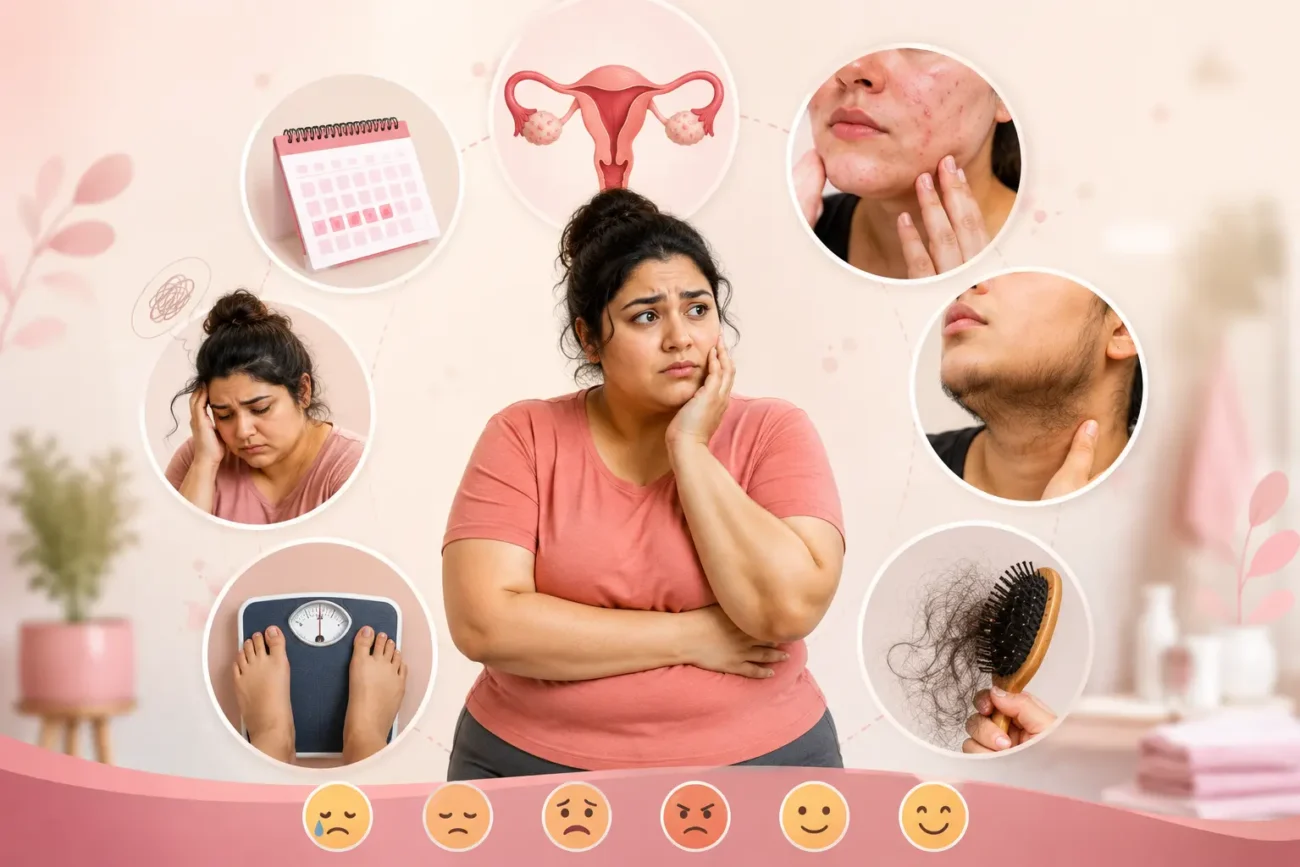
Missing periods. Sudden weight gain. Acne that refuses to go away. Extra facial hair growth. Trouble getting pregnant.
For many women, these symptoms feel confusing, frustrating, and honestly… emotionally exhausting. One month everything seems normal, and the next, your body feels completely different. That’s where PCOS often enters the conversation.
PCOS, also known as polycystic ovary syndrome, is one of the most common hormonal conditions affecting women of reproductive age. Yet many women live with it for years before getting answers. Some are told their symptoms are “just stress” or “just weight changes.” Others silently struggle with infertility, anxiety, or low self-confidence without knowing PCOS may be the reason.
The good news? PCOS can be managed. Many women with PCOS go on to improve their health, balance hormones, regulate periods, and even have healthy pregnancies.
This guide explains what PCOS is, common PCOS symptoms, causes, diagnosis, treatment options, fertility concerns, and lifestyle changes that can genuinely help.
What Is PCOS?
PCOS, or polycystic ovary syndrome, is a hormonal condition that affects how a woman’s ovaries function. It can lead to irregular periods, hormonal imbalance, acne, weight gain, excess hair growth, and fertility problems.
PCOS affects millions of women worldwide and is closely linked to insulin resistance and hormone irregularities.
The word “polycystic” refers to small fluid-filled sacs that may develop on the ovaries. Not every woman with PCOS has ovarian cysts, though, which is why symptoms can vary widely.
Women with PCOS often produce higher levels of androgens, sometimes called male hormones. These hormone changes can interfere with ovulation, making periods irregular or absent.
PCOS Meaning Explained
The term polycystic ovary syndrome sounds complicated, but breaking it down makes it easier to understand:
- Poly = many
- Cystic = small cysts or follicles
- Ovary = reproductive organs that release eggs
- Syndrome = a group of symptoms occurring together
PCOS is not simply an ovarian problem. It’s a whole-body hormonal and metabolic condition that can affect:
- Skin
- Weight
- Hair growth
- Fertility
- Mood
- Blood sugar levels
- Heart health
Common PCOS Symptoms
PCOS symptoms can appear differently in every woman. Some experience mild symptoms, while others deal with severe hormonal imbalance.
The Most Common PCOS Symptoms Include:
- Irregular periods
- Missed menstrual cycles
- Heavy bleeding
- Weight gain
- Acne and oily skin
- Excess facial or body hair
- Hair thinning or hair loss
- Difficulty getting pregnant
- Dark patches of skin
- Fatigue
- Mood swings
Sometimes symptoms begin during teenage years. In other cases, they become noticeable later, especially after weight changes or fertility struggles.
Irregular Periods and PCOS
Irregular periods are one of the earliest and most common signs of PCOS. Women may have fewer periods, very long cycles, or no periods at all.
PCOS affects ovulation, meaning the ovaries may not release eggs regularly. Without regular ovulation, menstrual cycles become unpredictable.
Some women experience:
- Periods every few months
- Extremely heavy bleeding
- Spotting between cycles
- Long menstrual cycles over 35 days
Irregular periods should never be ignored, especially when combined with acne, weight gain, or excess hair growth.
Hormonal Imbalance in Women With PCOS
PCOS is deeply connected to hormonal imbalance. Hormones act like chemical messengers in the body, and when they become disrupted, symptoms begin appearing in multiple ways.
Women with PCOS may experience:
- Higher androgen levels
- Insulin resistance
- Imbalanced reproductive hormones
- Problems with ovulation
This imbalance can affect physical health, emotional wellbeing, and fertility.
Many women describe feeling like their body is “working against them.” That emotional frustration is real, and it deserves attention just as much as physical symptoms.
PCOS Weight Gain and Difficulty Losing Weight
Weight gain is common in women with PCOS because the condition often affects insulin sensitivity and metabolism.
Insulin resistance can make the body store more fat and increase hunger cravings, especially for sugary foods and carbohydrates.
Common Weight-Related Challenges With PCOS
- Belly fat accumulation
- Slow metabolism
- Sugar cravings
- Difficulty losing weight despite dieting
- Fatigue during exercise
Even losing a small amount of weight can help improve:
- Ovulation
- Hormone levels
- Menstrual regularity
- Fertility
That said, women with PCOS should never blame themselves for weight struggles. Hormones play a major role.
Acne and Oily Skin in PCOS
PCOS can increase androgen hormones, which stimulate oil production in the skin. This often leads to persistent acne.
PCOS acne commonly appears on:
- Jawline
- Chin
- Neck
- Lower cheeks
Unlike regular acne, hormonal acne may:
- Be painful
- Appear deep under the skin
- Flare around periods
- Resist common skincare products
Many adult women discover their acne is actually linked to underlying hormonal imbalance rather than skincare alone.
Excess Hair Growth and PCOS Hair Loss
Excess hair growth, known as hirsutism, is another common PCOS symptom caused by increased androgen levels.
Women may notice darker or thicker hair on:
- Chin
- Upper lip
- Chest
- Stomach
- Back
At the same time, some women experience hair thinning on the scalp, similar to male-pattern hair loss.
This combination can deeply affect self-esteem and emotional health. Many women silently struggle with embarrassment or social anxiety because of these changes.
Can You Get Pregnant With PCOS?
Yes, many women with PCOS can get pregnant. While PCOS can make ovulation irregular, pregnancy is still possible with proper treatment and lifestyle support.
Some women conceive naturally, while others may need fertility treatments or ovulation support.
PCOS is one of the leading causes of female infertility because ovulation may not occur regularly. Without ovulation, releasing an egg for fertilization becomes difficult.
Still, PCOS does not mean pregnancy is impossible.
Ways to Improve Fertility With PCOS
- Weight management
- Regular exercise
- Balanced diet
- Ovulation medications
- Blood sugar control
- Stress reduction
- Medical fertility support
Many women with PCOS successfully become mothers after treatment and lifestyle adjustments.
What Causes PCOS?
The exact cause of PCOS is not fully understood, but experts believe several factors contribute to the condition.
Common Causes and Risk Factors
Genetics
PCOS often runs in families. If your mother or sister has PCOS, your risk may increase.
Insulin Resistance
Many women with PCOS have insulin resistance, meaning the body struggles to use insulin properly.
Hormonal Imbalance
High androgen levels can interfere with ovulation and trigger symptoms.
Inflammation
Low-grade inflammation may contribute to hormone problems and insulin resistance.
Insulin Resistance Explained
Insulin resistance happens when the body’s cells do not respond properly to insulin. As a result, the body produces more insulin to compensate.
High insulin levels can:
- Increase androgen production
- Trigger weight gain
- Worsen acne
- Affect ovulation
- Raise diabetes risk
This is why PCOS is not only a reproductive condition. It also affects metabolic health.
How Doctors Diagnose PCOS
Doctors diagnose PCOS through symptoms, medical history, physical exams, blood tests, and imaging studies.
There is no single test that confirms PCOS.
Common PCOS Diagnosis Methods
Medical History
Doctors ask about:
- Menstrual cycles
- Weight changes
- Fertility concerns
- Hair growth
- Acne symptoms
Blood Tests
Hormone tests may check:
- Testosterone levels
- Insulin levels
- Blood sugar
- Thyroid hormones
Pelvic Ultrasound
Ultrasound imaging may show enlarged ovaries or multiple follicles.
Doctors usually diagnose PCOS when at least two of these are present:
- Irregular ovulation
- High androgen levels
- Polycystic ovaries
PCOS Diet Plan
A healthy PCOS diet can help regulate hormones, improve insulin resistance, and support weight management.
The best diet for PCOS focuses on balanced blood sugar levels and anti-inflammatory foods.
Best Foods for PCOS
High-Fiber Foods
- Vegetables
- Lentils
- Beans
- Whole grains
Lean Protein
- Chicken
- Fish
- Eggs
- Greek yogurt
Healthy Fats
- Nuts
- Seeds
- Olive oil
- Avocados
Low-Glycemic Foods
These help reduce blood sugar spikes.
Examples include:
- Brown rice
- Oats
- Sweet potatoes
- Quinoa
Foods to Avoid With PCOS
Some foods may worsen insulin resistance and inflammation.
Foods That Can Trigger PCOS Symptoms
- Sugary drinks
- Processed snacks
- White bread
- Fried foods
- Excess fast food
- High-sugar desserts
This doesn’t mean women with PCOS need perfection. Small, consistent improvements often matter more than strict diets.
Exercise and Weight Management
Regular exercise can improve insulin sensitivity and hormone balance in women with PCOS.
Even moderate movement helps.
Helpful Exercises for PCOS
- Walking
- Strength training
- Yoga
- Cycling
- Swimming
Exercise may help:
- Regulate periods
- Reduce stress
- Improve mood
- Support fertility
- Lower insulin resistance
The goal isn’t punishment or extreme dieting. It’s helping the body function better.
Stress and Hormone Imbalance
Stress can worsen hormonal imbalance and make PCOS symptoms feel more intense.
Many women with PCOS also experience:
- Anxiety
- Depression
- Mood swings
- Low confidence
Living with visible symptoms like acne, weight gain, or facial hair can take an emotional toll.
Healthy Stress Management Habits
- Better sleep
- Therapy or counseling
- Meditation
- Journaling
- Support groups
- Gentle exercise
Mental health support matters just as much as physical treatment.
PCOS Treatment Options
PCOS treatment depends on symptoms, age, fertility goals, and overall health.
There is no single cure for PCOS, but symptoms can often be managed successfully.
Common PCOS Treatments
Birth Control Pills
These help regulate periods and reduce androgen-related symptoms.
Metformin
Often prescribed to improve insulin resistance.
Fertility Medications
Used when pregnancy is desired.
Acne Treatments
Hormonal acne medications may help reduce breakouts.
Hair Removal Treatments
Laser therapy and medications can help manage excess hair growth.
Natural Ways to Manage PCOS
Lifestyle changes can significantly improve PCOS symptoms for many women.
Natural PCOS Management Tips
- Eat balanced meals
- Sleep consistently
- Reduce sugar intake
- Exercise regularly
- Manage stress
- Maintain healthy weight goals
Some women also explore supplements under medical supervision, including:
- Inositol
- Vitamin D
- Omega-3 fatty acids
Always consult a healthcare provider before starting supplements.
Long-Term Health Risks of PCOS
PCOS can increase the risk of several long-term health conditions if left unmanaged.
Possible Long-Term Risks
- Type 2 diabetes
- High blood pressure
- Heart disease
- Sleep apnea
- Infertility
- Depression
- Anxiety
- Endometrial problems
Early diagnosis and proper management can reduce many of these risks.
Emotional Effects of PCOS
PCOS affects more than hormones. It can affect identity, confidence, relationships, and emotional wellbeing.
Some women feel isolated because symptoms are misunderstood or dismissed.
Others struggle with:
- Body image issues
- Fertility stress
- Anxiety about appearance
- Emotional eating
- Low self-esteem
Support from healthcare providers, family, and mental health professionals can make a huge difference.
No woman should feel ashamed of having PCOS.
When to See a Doctor
You should see a healthcare provider if you experience:
- Missing periods
- Trouble getting pregnant
- Excess facial hair
- Sudden weight gain
- Severe acne
- Hair thinning
- Pelvic pain
Early diagnosis can help prevent complications and improve quality of life.
Frequently Asked Questions
What causes PCOS in women?
PCOS is believed to result from a combination of genetics, insulin resistance, inflammation, and hormonal imbalance.
Women with a family history of PCOS may have a higher risk. Lifestyle and metabolic health can also influence symptoms.
What are the first signs of PCOS?
Early signs of PCOS often include irregular periods, acne, weight gain, and excess facial hair.
Some women also notice hair thinning, mood changes, or difficulty losing weight during teenage years or early adulthood.
Can you get pregnant with PCOS?
Yes, many women with PCOS can become pregnant naturally or with medical support.
Lifestyle changes, ovulation treatments, and proper hormone management often improve fertility outcomes.
How do doctors diagnose PCOS?
Doctors diagnose PCOS using symptoms, blood tests, medical history, and pelvic ultrasound imaging.
Diagnosis usually involves identifying irregular ovulation, hormone imbalance, or polycystic ovaries.
What foods should be avoided with PCOS?
Women with PCOS are often advised to limit sugary drinks, processed foods, fried foods, and refined carbohydrates.
These foods may worsen insulin resistance and increase inflammation.
Can PCOS go away permanently?
PCOS does not usually disappear permanently, but symptoms can often be controlled successfully.
Healthy lifestyle habits and medical treatment can improve hormone balance and quality of life.
Is PCOS a serious condition?
PCOS can become serious if left untreated because it may increase risks for diabetes, infertility, and heart disease.
Early management can help reduce complications and improve long-term health.
How do I know if I have PCOS?
You may have PCOS if you experience irregular periods, acne, weight gain, excess hair growth, or fertility problems.
A healthcare provider can confirm diagnosis through exams and testing.
Does PCOS cause weight gain?
Yes, PCOS can contribute to weight gain because of hormonal imbalance and insulin resistance.
Many women with PCOS find it harder to lose weight compared to others.
Conclusion
Living with PCOS can feel overwhelming at times, especially when symptoms affect your confidence, relationships, fertility, or emotional wellbeing. Still, having PCOS does not mean you are broken, unhealthy, or incapable of living a full life.
With the right medical guidance, healthy habits, emotional support, and hormone management, many women successfully manage PCOS symptoms and improve their quality of life.
Small changes truly add up. Better sleep, balanced meals, movement, stress management, and proper healthcare support can make a meaningful difference over time.
Most importantly, don’t ignore your symptoms or suffer silently. Seeking help early can lead to answers, treatment options, and reassurance that you are not alone in this journey.
Disclaimer: This article is for informational purposes only and does not replace professional medical advice, diagnosis, or treatment. Always consult with a qualified healthcare provider regarding a medical condition.