

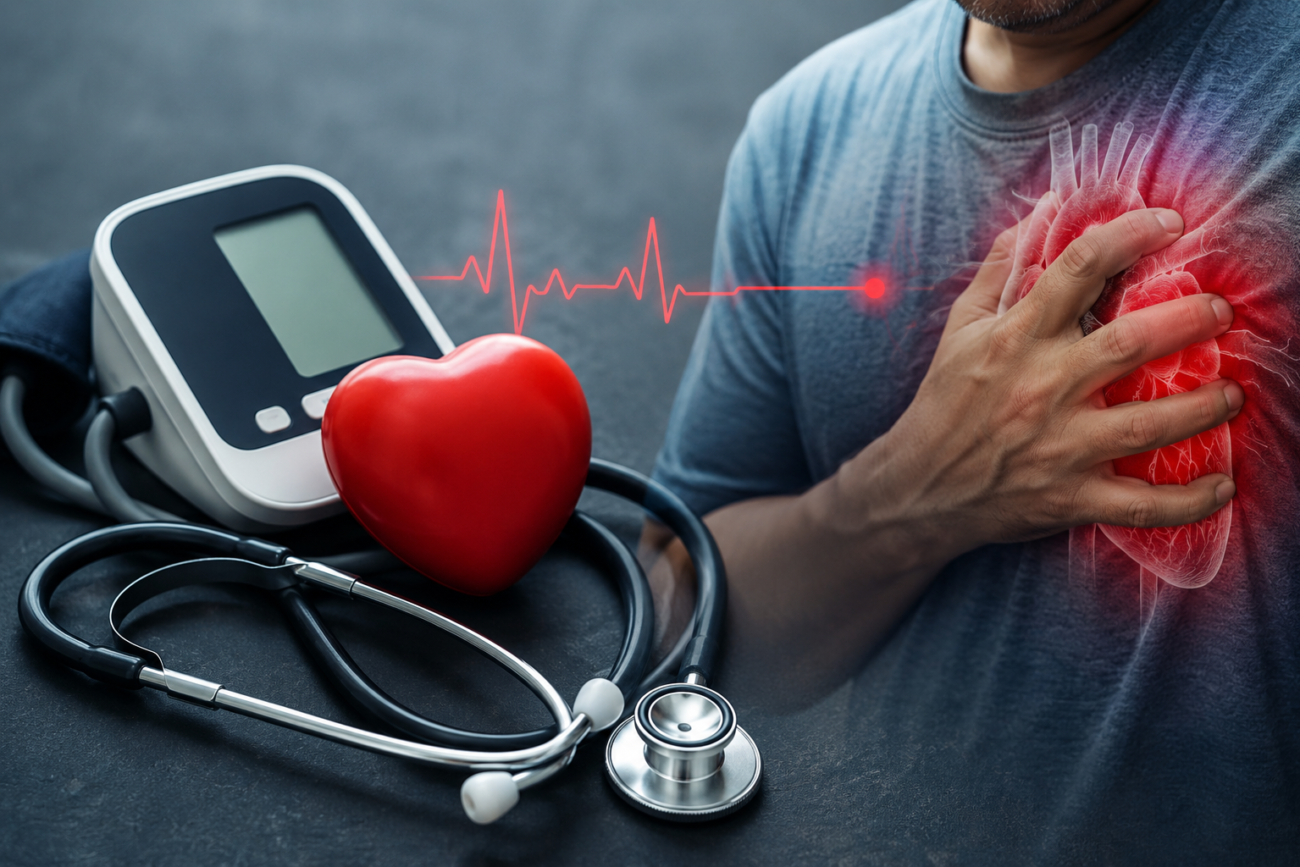
High blood pressure symptoms are often ignored until a routine medical checkup reveals something serious. Many people mistake headaches, dizziness, fatigue, or blurred vision for stress or lack of sleep, not realizing hypertension may already be affecting their heart and blood vessels.
When “Just Stress” Turns Into Something More
A lot of people don’t realize they have high blood pressure until a doctor checks it during a routine appointment.
That’s what happened to a 42-year-old office worker who blamed his constant headaches on long meetings and poor sleep. He kept taking painkillers and drinking extra coffee to get through the day. A few weeks later, he started feeling dizzy while climbing stairs. During a routine checkup, his blood pressure reading was dangerously high.
Stories like this happen every day.
High blood pressure often develops quietly. Some people notice mild symptoms. Others feel perfectly fine for years. That’s exactly why it’s considered one of the most serious yet overlooked health conditions in the world.
Understanding the symptoms of high blood pressure early can help protect your heart, brain, kidneys, and overall health before complications develop.
What Is High Blood Pressure?
High blood pressure, also called hypertension, happens when the force of blood pushing against artery walls stays too high for too long.
Your blood pressure reading includes two numbers:
- Systolic pressure pressure when the heart beats
- Diastolic pressure pressure when the heart rests between beats
A normal reading is generally around:
120/80
When blood pressure stays consistently elevated, it forces the heart and blood vessels to work harder than normal.
Over time, this can damage important organs including:
- The heart
- Brain
- Kidneys
- Eyes
- Blood vessels
Doctors often call hypertension a “silent killer” because many people experience no obvious symptoms in the early stages.
Common High Blood Pressure Symptoms
Many people with high blood pressure symptoms describe them as vague, mild, or easy to ignore. Symptoms can come and go, making them even harder to connect with hypertension.
Here are some of the most common signs of high blood pressure.
Frequent Headaches
One of the most talked-about hypertension symptoms is recurring headaches.
People often describe them as:
- Pressure around the head
- Pulsing discomfort
- Morning headaches
- Tightness near the temples
Not every headache means high blood pressure, of course. But repeated headaches combined with dizziness or vision problems deserve medical attention.
Dizziness or Lightheadedness
Feeling dizzy after standing up quickly may happen occasionally to anyone. But ongoing dizziness shouldn’t be ignored.
Some people mistake it for:
- Stress
- Exhaustion
- Dehydration
- Anxiety
- Poor sleep
In reality, elevated blood pressure may be affecting circulation and blood vessel function.
Blurred Vision
High blood pressure can damage tiny blood vessels in the eyes.
People sometimes notice:
- Blurry vision after long workdays
- Eye strain
- Trouble focusing
- Temporary vision disturbances
A person may assume it’s simply too much screen time when the real issue could be uncontrolled blood pressure.
Chest Discomfort
Chest tightness or discomfort can feel alarming and it should never be ignored.
While chest pain has many possible causes, severe or sudden symptoms may signal a medical emergency, especially if combined with:
- Shortness of breath
- Sweating
- Dizziness
- Pain spreading to the arm or jaw
Seek emergency medical care immediately if these symptoms occur.
Shortness of Breath
Some individuals with hypertension feel unusually winded during normal activities.
For example:
- Climbing stairs feels harder
- Walking short distances causes fatigue
- Exercise suddenly becomes difficult
Over time, uncontrolled high blood pressure can strain the heart and lungs.
Fatigue and Weakness
Constant tiredness is easy to blame on busy schedules or poor sleep.
But persistent fatigue may sometimes be connected to:
- Poor circulation
- Heart strain
- Sleep disturbances caused by hypertension
Many people discover their blood pressure problem only after months of unexplained exhaustion.
Nosebleeds
Occasional nosebleeds are common and usually harmless.
However, frequent nosebleeds combined with very high blood pressure readings may require medical evaluation.
Irregular Heartbeat
Some people notice:
- Heart palpitations
- Fluttering sensations
- Rapid heartbeat
- Skipped beats
These symptoms can occur for many reasons, but hypertension may increase the risk of heart rhythm problems.
High Blood Pressure Symptoms in Women
Women may experience high blood pressure symptoms differently from men in some situations.
Hormonal changes, pregnancy, stress, and menopause can all affect cardiovascular health.
Fatigue and Brain Fog
Many women describe feeling:
- Mentally drained
- Unusually tired
- Forgetful
- Unable to concentrate
Because modern life is already exhausting, these signs often get ignored.
Anxiety-Like Symptoms
Hypertension can sometimes mimic anxiety symptoms, including:
- Racing heart
- Sweating
- Restlessness
- Tension headaches
This overlap can delay proper diagnosis.
Sleep Problems
Poor sleep and high blood pressure are closely linked.
Women with hypertension may notice:
- Trouble falling asleep
- Waking up frequently
- Morning headaches
- Feeling tired despite sleeping
Swelling
Fluid retention in the legs, feet, or hands may occasionally occur alongside blood pressure issues.
Swelling should always be discussed with a healthcare professional, especially if it appears suddenly.
Pregnancy-Related Blood Pressure Concerns
High blood pressure during pregnancy can become dangerous if untreated.
Conditions such as preeclampsia require immediate medical attention.
Warning signs may include:
- Severe headaches
- Swelling
- Vision changes
- Upper abdominal pain
Pregnant women should attend regular prenatal checkups and monitor blood pressure carefully.
Signs of High Blood Pressure People Often Ignore
One reason hypertension becomes dangerous is because symptoms may feel “normal.”
People frequently ignore subtle warning signs such as:
Mild Daily Headaches
A person may assume headaches come from:
- Too much screen time
- Stress at work
- Lack of sleep
Meanwhile, blood pressure slowly rises in the background.
Stress-Like Symptoms
Irritability, tension, and fatigue are commonly blamed on modern lifestyles.
But sometimes, the body is signaling cardiovascular strain.
Eye Strain
Blurry vision after hours on a computer may not always be harmless fatigue.
Long-term uncontrolled blood pressure can damage delicate eye vessels over time.
Poor Sleep and Snoring
Sleep apnea and hypertension are strongly connected.
Loud snoring, interrupted breathing during sleep, and daytime exhaustion should never be brushed aside.
Difficulty Concentrating
Some people notice mental fogginess or trouble focusing before realizing they have high blood pressure.
Reduced blood vessel efficiency may affect overall brain function.
Major Causes and Risk Factors
High blood pressure usually develops due to multiple factors rather than one single cause.
Smoking
Smoking damages blood vessels and raises the risk of heart disease and stroke.
Obesity
Excess body weight forces the heart to work harder.
Even modest weight loss may help improve blood pressure levels.
Stress
Chronic stress may contribute to unhealthy habits including:
- Poor eating
- Alcohol use
- Smoking
- Lack of sleep
All of these can worsen hypertension.
Diabetes
Diabetes and high blood pressure commonly occur together and significantly increase cardiovascular risk.
High Cholesterol
Cholesterol buildup narrows arteries and increases pressure within blood vessels.
Lack of Exercise
A sedentary lifestyle weakens heart health over time.
Regular physical activity helps improve circulation and blood pressure control.
Poor Diet
Highly processed foods often contain excessive sodium, unhealthy fats, and added sugars.
Excess Salt Intake
Too much sodium causes the body to retain water, increasing blood pressure levels.
Alcohol Consumption
Heavy alcohol use may contribute to hypertension and heart damage.
Family History
Genetics can increase susceptibility to high blood pressure.
If close relatives have hypertension, regular monitoring becomes especially important.
Aging
Blood vessels naturally become less flexible with age, increasing hypertension risk.
What To Do If Blood Pressure Is Too High
Seeing a high reading can feel frightening. Panic, however, may temporarily raise blood pressure even more.
Here’s a calmer step-by-step approach.
Stay Calm
Take slow breaths and avoid panic.
Stress and anxiety can temporarily elevate readings further.
Sit and Rest
Sit quietly for 5–10 minutes before rechecking blood pressure.
Avoid caffeine, smoking, or physical activity beforehand.
Recheck Your Reading
Improper technique can affect results.
Make sure:
- Your arm is supported
- Feet are flat on the floor
- You’re seated comfortably
Monitor Symptoms Carefully
Seek emergency medical help immediately if high blood pressure occurs alongside:
- Severe chest pain
- Trouble breathing
- Confusion
- Sudden numbness
- Severe headache
- Vision loss
- Difficulty speaking
These symptoms may indicate a hypertensive crisis, stroke, or heart emergency.
Contact a Healthcare Professional
If readings remain elevated, schedule medical evaluation promptly.
Do not self-medicate without professional advice.
Prevention Tips for Healthy Blood Pressure
The good news? Many cases of hypertension can be improved through healthier habits.
Eat a Heart-Healthy Diet
Focus on:
- Fruits
- Vegetables
- Whole grains
- Lean proteins
- Healthy fats
Reducing processed food intake can make a noticeable difference.
Reduce Salt Intake
Many packaged foods contain hidden sodium.
Reading labels carefully helps lower overall intake.
Exercise Regularly
Even moderate exercise helps support cardiovascular health.
Good options include:
- Walking
- Cycling
- Swimming
- Light jogging
Aim for consistency rather than perfection.
Improve Sleep Quality
Quality sleep plays a huge role in blood pressure regulation.
Try:
- Limiting screens before bed
- Keeping a regular sleep schedule
- Reducing caffeine late in the day
Manage Stress
Stress management techniques may include:
- Deep breathing
- Meditation
- Prayer
- Spending time outdoors
- Talking with loved ones
Small daily habits can help calm the nervous system.
Quit Smoking
Stopping smoking benefits nearly every organ in the body, especially the heart and blood vessels.
Maintain a Healthy Weight
Even losing a small amount of excess weight may improve blood pressure readings.
Get Regular Blood Pressure Checks
Routine monitoring helps catch problems early before serious complications develop.
Many people discover hypertension completely by accident during routine screenings.
Frequently Asked Questions
What does a hypertension headache feel like?
Some people describe it as pressure, throbbing, or tightness, especially in the morning. However, headaches alone do not confirm high blood pressure.
Are high blood pressure symptoms different in women?
Some symptoms may overlap, but women may experience more fatigue, dizziness, anxiety-like symptoms, and pregnancy-related complications.
Can stress raise blood pressure?
Yes. Stress can temporarily raise blood pressure and may contribute to long-term unhealthy habits that worsen hypertension.
What is considered dangerously high blood pressure?
Very high readings combined with symptoms like chest pain, breathing difficulty, confusion, or severe headache may require emergency medical care.
Final Thoughts
High blood pressure rarely announces itself loudly in the beginning.
Sometimes it starts with little things tiredness after work, headaches that seem harmless, blurry vision blamed on screens, or dizziness mistaken for stress. Because symptoms can be subtle, millions of people live with hypertension without realizing it.
The encouraging part is that awareness makes a huge difference.
Regular blood pressure checks, healthier daily habits, stress management, proper sleep, and timely medical care can all help protect long-term heart health.
If you notice possible signs of high blood pressure, don’t ignore them or try to self-diagnose online. Speak with a qualified healthcare professional, especially if symptoms are persistent or severe.
Your heart works hard for you every single day. Taking care of it now may help prevent serious problems later.
Disclaimer: This article is for informational purposes only and does not replace professional medical advice, diagnosis, or treatment.