

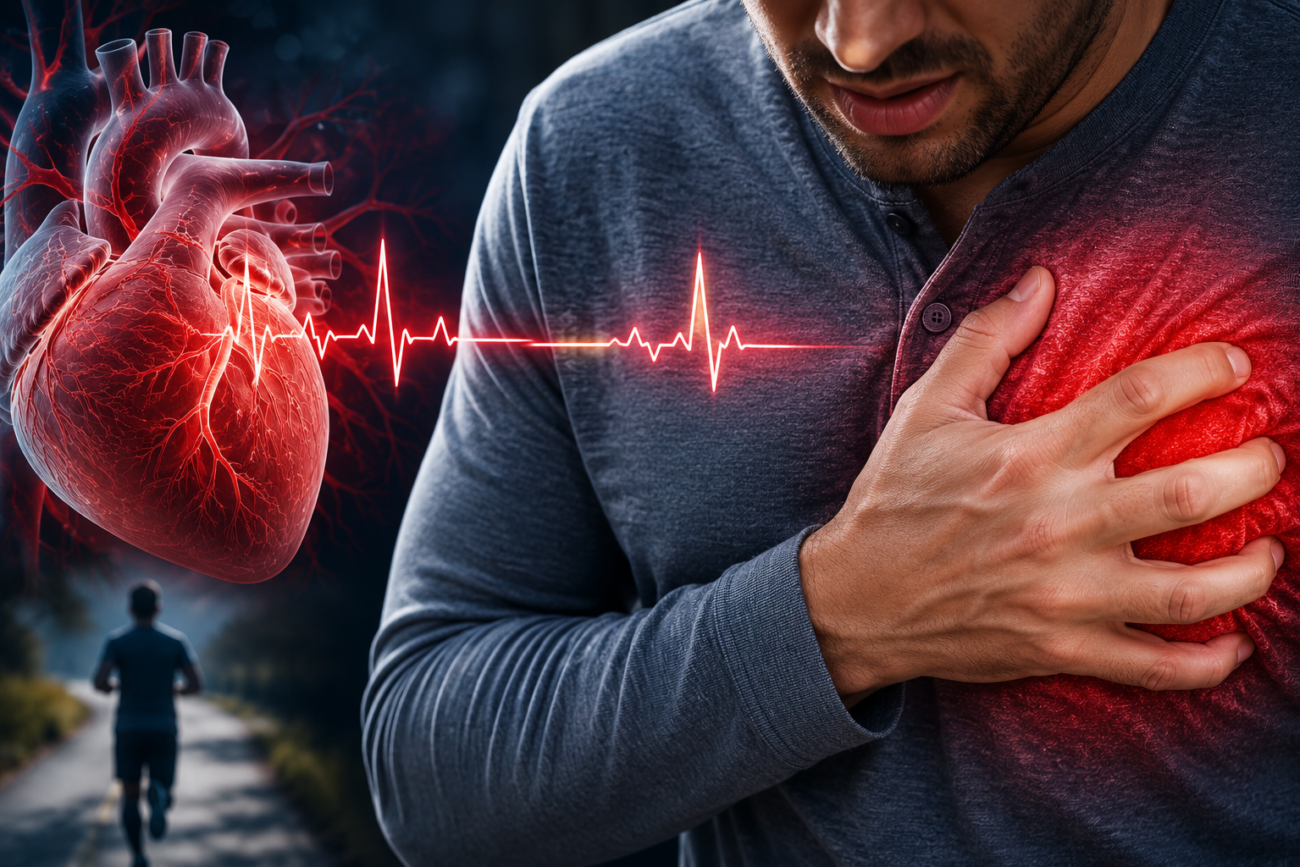
A lot of people brush off chest pain at first.
Someone climbs a flight of stairs and suddenly feels tightness in the chest. Another person wakes up in the middle of the night with a burning sensation and assumes it’s just spicy food. Some people feel pressure during stressful weeks and blame anxiety or exhaustion.
And honestly? That’s why chest pain can be dangerous.
Not every case of chest pain is a heart attack, but some cases absolutely are medical emergencies. The tricky part is that symptoms don’t always look dramatic. Sometimes the warning signs are mild, confusing, or easy to dismiss.
That’s why understanding chest pain symptoms matters so much.
This guide explains chest pain causes, emergency warning signs, treatment options, and the difference between heart-related and non-heart-related pain in simple, practical language.
What Is Chest Pain?
Chest pain is any discomfort, pressure, tightness, burning, stabbing sensation, or aching felt in the chest area.
Some people describe it as:
- heaviness on the chest
- squeezing pressure
- burning behind the breastbone
- sharp stabbing pain
- tightness during activity
- discomfort spreading into the arm, jaw, neck, shoulders, or back
Chest pain can happen suddenly or develop gradually over time. It may last seconds, minutes, or longer depending on the cause.
The important thing to remember is this:
Chest pain doesn’t automatically mean a heart attack — but it should never be ignored when symptoms are severe, sudden, or unusual.
Symptoms can vary greatly between individuals. Age, medical history, stress levels, lifestyle, and underlying health conditions all play a role.
Common Chest Pain Symptoms
Chest pain symptoms can look very different from one person to another.
Some people experience intense crushing pressure. Others feel mild discomfort that comes and goes.
Common Symptoms Include
- chest pressure or tightness
- burning sensation
- sharp or stabbing pain
- squeezing discomfort
- shortness of breath
- sweating
- dizziness
- nausea
- pain spreading to the arm
- jaw pain
- neck or shoulder discomfort
- upper back pain
- fatigue
- rapid heartbeat
Sometimes symptoms appear during exercise or stress. Other times they happen while resting quietly.
A person may even think they have indigestion or muscle soreness when the real issue involves the heart.
Chest Pain Causes
Chest pain causes range from harmless digestive problems to serious medical emergencies.
That’s why doctors look carefully at the full picture instead of focusing on one symptom alone.
Heart-Related Chest Pain Causes
Heart-related chest pain should always be taken seriously.
Heart Attack
A heart attack happens when blood flow to part of the heart becomes blocked.
Symptoms may include:
- chest pressure
- pain spreading to the left arm or jaw
- sweating
- nausea
- trouble breathing
- sudden weakness
Some people expect dramatic collapse scenes like in movies, but real-life symptoms are often more subtle.
A person might simply feel crushing fatigue, chest heaviness, or unusual shortness of breath.
Angina
Angina is chest pain caused by reduced blood flow to the heart.
It often happens during:
- exercise
- emotional stress
- climbing stairs
- physical exertion
The discomfort usually improves with rest, but it can still signal serious heart disease.
Pericarditis
Pericarditis is inflammation around the heart.
Pain may feel:
- sharp
- worse while lying down
- better when sitting forward
Some viral infections can trigger this condition.
Non-Heart Chest Pain Causes
Thankfully, many chest pain causes are not life-threatening.
Still, proper evaluation matters because symptoms can overlap.
Acid Reflux (GERD)
Acid reflux is one of the most common reasons for burning chest discomfort.
People often describe:
- burning after eating
- sour taste in the mouth
- pain worse while lying down
- chest discomfort after spicy or heavy meals
This can sometimes feel surprisingly similar to heart-related pain.
Anxiety and Panic Attacks
Stress and anxiety can absolutely cause real physical chest pain.
During panic attacks, people may experience:
- chest tightness
- racing heartbeat
- dizziness
- shortness of breath
- tingling sensations
Someone under intense emotional pressure may genuinely believe they’re having a heart attack.
Even so, chest pain should never automatically be blamed on anxiety without proper medical evaluation.
Muscle Strain
Chest muscles can become sore after:
- heavy lifting
- intense exercise
- coughing
- sudden movement
Muscle-related pain often worsens with movement or touching the area.
Lung Conditions
Certain lung problems can also trigger chest pain.
Examples include:
- pneumonia
- pleurisy
- pulmonary embolism
- severe infections
Breathing-related pain deserves medical attention, especially if paired with shortness of breath or low oxygen levels.
When to Worry About Chest Pain
Many people hesitate before seeking help.
They worry about “overreacting,” wasting time, or feeling embarrassed if it turns out to be nothing serious.
But delaying emergency care can be dangerous.
Seek Emergency Medical Help Immediately If Chest Pain Includes:
- severe pressure or squeezing
- difficulty breathing
- fainting
- cold sweats
- nausea with chest pressure
- pain spreading to the left arm
- jaw or neck pain
- sudden intense symptoms
- blue lips or skin
- confusion
- rapid worsening symptoms
If chest pain feels unusual, intense, or alarming, it’s safer to seek emergency evaluation right away.
Time matters during heart-related emergencies.
Chest Pain in Women
Chest pain symptoms in women can look very different from the “classic” heart attack signs people often hear about.
Women may experience:
- unusual fatigue
- nausea
- upper back pain
- jaw discomfort
- mild chest pressure
- shortness of breath
- dizziness
- stomach discomfort
Some women never feel severe crushing chest pain at all.
That’s one reason heart disease symptoms in women are sometimes overlooked or misinterpreted.
A woman may think she’s exhausted from work, stress, parenting, poor sleep, or anxiety when the body is actually signaling a serious cardiovascular problem.
Paying attention to unusual physical changes matters.
Chest Pain During Stress or Anxiety
Stress-related chest discomfort is extremely common.
After difficult workdays, emotional conflict, financial stress, or panic episodes, some people develop:
- tight chest muscles
- shallow breathing
- racing heart
- pressure sensations
- chest soreness
The body’s stress response can feel frighteningly real.
However, doctors still recommend evaluating new or unexplained chest pain because anxiety symptoms can overlap with heart conditions.
It’s never wise to self-diagnose serious symptoms online.
Can Chest Pain Happen After Eating?
Yes, absolutely.
Chest pain after meals is commonly linked to digestive issues such as acid reflux or indigestion.
Symptoms may include:
- burning chest pain
- bloating
- burping
- sour taste
- discomfort when lying down
Large meals, fatty foods, alcohol, caffeine, and spicy dishes can sometimes trigger symptoms.
Still, because heart-related pain may also happen after exertion or meals, persistent symptoms deserve medical attention.
How Doctors Diagnose Chest Pain
Doctors use several tools to understand the cause of chest pain.
The goal is to quickly rule out dangerous conditions while identifying the real source of symptoms.
ECG or EKG
An electrocardiogram checks the electrical activity of the heart.
It helps detect:
- heart attacks
- abnormal rhythms
- signs of reduced blood flow
This test is fast and commonly performed in emergency rooms.
Blood Tests
Blood tests can reveal heart muscle damage or signs of infection and inflammation.
Doctors may check cardiac enzymes when a heart attack is suspected.
Chest X-Rays
Chest imaging helps evaluate:
- lungs
- infections
- heart size
- fluid buildup
This can help identify non-heart causes of chest pain.
Stress Tests
Stress tests examine how the heart performs during physical activity.
These tests may uncover reduced blood flow that doesn’t appear while resting.
Medical History Review
Doctors also ask detailed questions about:
- symptom timing
- pain location
- lifestyle habits
- smoking
- stress levels
- family history
- blood pressure
- cholesterol
Even small details can help narrow down the cause.
Chest Pain Treatment Options
Chest pain treatment depends entirely on the underlying cause.
There’s no single treatment that works for every case.
Emergency Heart Treatment
If chest pain is linked to a heart attack or blocked arteries, emergency treatment may involve:
- oxygen
- medications
- blood thinners
- artery-opening procedures
- hospitalization
Quick treatment can save heart muscle and reduce complications.
Medications
Doctors may prescribe medications for:
- high blood pressure
- acid reflux
- anxiety
- infections
- heart disease
- cholesterol management
Treatment plans vary widely from person to person.
Lifestyle Changes
Lifestyle improvements can reduce many forms of chest discomfort.
Helpful changes often include:
- healthier eating
- regular exercise
- stress reduction
- quitting smoking
- weight management
- improved sleep habits
Small daily choices add up over time.
Stress Management
Stress affects both physical and emotional health.
Managing stress may help reduce chest discomfort linked to anxiety or muscle tension.
Healthy stress-management habits include:
- walking
- breathing exercises
- therapy
- meditation
- journaling
- limiting excessive caffeine
- improving work-life balance
Prevention Tips for Better Heart and Chest Health
Prevention doesn’t guarantee perfect health, but it can significantly lower risk.
Eat a Heart-Healthy Diet
Focus on:
- vegetables
- fruits
- whole grains
- lean protein
- healthy fats
Reducing heavily processed foods may support cardiovascular health.
Stay Physically Active
Regular movement supports:
- blood circulation
- heart strength
- stress control
- healthy weight
Even daily walking can make a difference.
Quit Smoking
Smoking damages blood vessels and increases heart disease risk dramatically.
Quitting is one of the most powerful steps for long-term health.
Control Blood Pressure and Cholesterol
High blood pressure and cholesterol often develop silently.
Regular health checkups help catch problems early.
Prioritize Sleep
Poor sleep affects:
- stress hormones
- blood pressure
- heart health
- energy levels
Adults generally benefit from consistent, quality sleep.
Manage Chronic Stress
Long-term stress can affect both heart health and overall well-being.
Building healthier coping strategies matters more than many people realize.
Frequently Asked Questions About Chest Pain
Absolutely. Anxiety can cause very real physical symptoms including chest tightness, rapid heartbeat, dizziness, and shortness of breath.
When should I go to the ER for chest pain?
Seek emergency help if chest pain is severe, sudden, paired with breathing difficulty, fainting, sweating, nausea, or pain spreading to the arm, jaw, or back.
Can acid reflux cause chest pain?
Yes. Acid reflux commonly causes burning chest discomfort, especially after meals or while lying down.
How long should chest pain last before concern?
Even brief chest pain can sometimes signal serious problems. Persistent, worsening, or unexplained symptoms should be medically evaluated as soon as possible.
Final Thoughts
Chest pain is one of those symptoms people often try to explain away.
Stress. Gas. Exhaustion. Poor sleep. Anxiety. A heavy meal.
And sometimes those explanations are correct.
But sometimes chest pain is the body’s early warning signal that something serious is happening.
That’s why awareness matters.
Learning the difference between mild discomfort and dangerous warning signs can save lives. Paying attention to symptoms, knowing your risk factors, and seeking medical help when needed are incredibly important steps toward protecting your health.
Most importantly, never feel embarrassed about getting checked out for chest pain. It’s always better to be cautious than to ignore a symptom that could become life-threatening.
This article is for informational purposes only and should not replace professional medical advice, diagnosis, or treatment. Always consult a qualified healthcare professional regarding medical concerns or emergency symptoms.